
How Kids Can Turn a Hobby Into a Real Business
A hobby is one of the best places for a kid business to begin because the hardest part is already solved: the kid actually wants to do the work.
They draw without being asked. They make bracelets on the weekend. They know everything about local birds, hockey cards, plants, baking with a parent, coding, photography, music, or organizing collections. The activity exists before anyone mentions money.
That is an advantage, but it is not enough by itself. A hobby becomes a business only when it creates value for another person. The question changes from “What do I like doing?” to “What can I make, teach, organize, or do with this hobby that someone else would want?” If the child is still deciding which direction fits best, compare these business ideas for kids by age and interest or browse our broader list of business ideas that can turn into real shops.
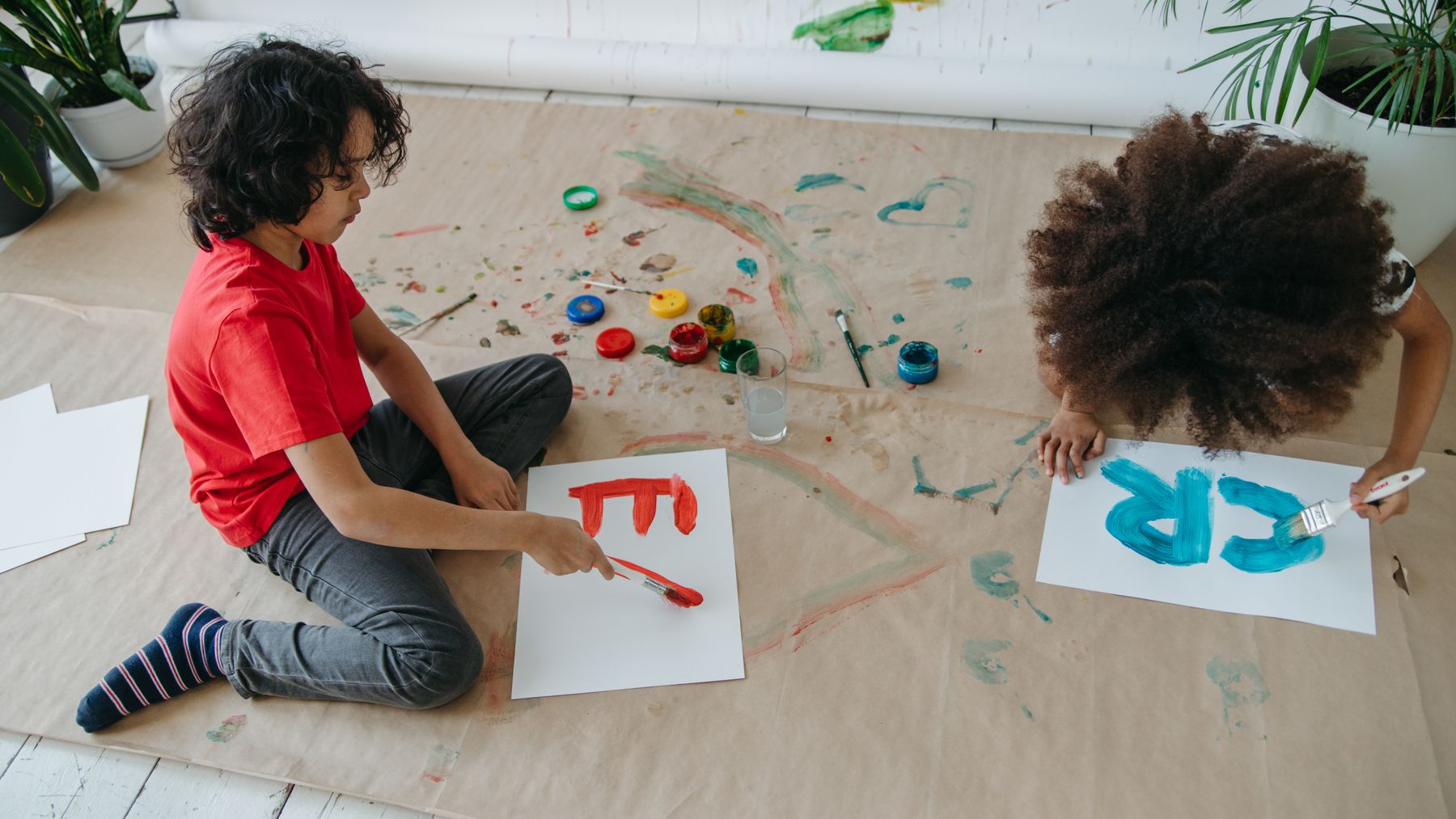
The goal does not have to be turning a favorite hobby into a future career. A small business experiment can simply teach a kid how to test an idea, set a price, work with a customer, and decide whether they even enjoy selling what they create. Lemonade Lab gives kids a way to turn that experiment into a real shop or service while keeping parents and guardians involved in the parts that require adult oversight.
Step 1: Separate the Hobby From the Business Idea
The hobby is the activity. The business is the offer.
A kid who likes drawing does not yet have a business. They have a skill. The business idea could be pet portraits, personalized birthday cards, original sticker packs, simple illustrations, or beginner drawing sessions for a younger child.
A kid who loves plants could sell seedlings, make plant labels, help trusted neighbors water gardens, or create a small plant-care guide. Someone who enjoys sports might organize a beginner practice session, design original team accessories, or curate permitted sports collectibles. This distinction is useful because it prevents the kid from thinking they have to “monetize the whole hobby.” They only need one small offer that uses part of it.
Step 2: Find the Part Other People Care About
A hobby can be deeply enjoyable to the person doing it without producing anything another person wants to buy. That is fine. Not every hobby should become a business.
Before spending money, ask what people actually value. If the kid makes art, do people ask for custom versions? If they bake with a parent, which items do people request again? If they create organizers, does a friend actually use one? If they love technology, what specific problem can they solve rather than simply saying they are “good with computers”?
Look for signals that already exist: requests, repeated compliments about something specific, people asking for help, or a problem the kid solves naturally. Those signals are not proof of demand, but they are a better starting point than inventing a business because an online list says it is profitable.
Step 3: Turn the Skill Into One Clear Offer
The first offer should be narrow enough to explain in a sentence.
“I do art” is broad. “I make simple custom pet drawings from a photo” is clearer. “I help with school” is broad. “I do 30-minute reading practice with younger students in a parent-supervised setting” is clearer.
A clear offer makes pricing easier too because the kid knows what the customer receives. It also protects the hobby from expanding into endless custom requests.
Write the offer in plain language: I make/do [specific thing] for [specific kind of customer] for [price or pricing method]. The wording does not need to sound corporate. It needs to make sense.
Step 4: Build the Smallest Version You Can Show Someone
Do not start by buying bulk supplies, ordering custom packaging, or spending a week designing a logo. Build one example.
If it is a physical product, make a sample. If it is a digital product, finish one file. If it is a service, write exactly what the service includes and, if possible, test it with someone the family trusts. If it is a custom product, create examples so customers understand the style.
The first version should answer one question: Can another person understand what this is and why they might want it? A rough but complete sample is more useful than a beautiful brand around an offer that has never been tested.
Step 5: Ask for Better Feedback
Kids often ask, “Do you like it?” That question produces nice answers and weak information. Ask five people more useful questions instead:
- What do you think this is for?
- Who do you think would want it?
- What part is most useful or interesting?
- What would make you hesitate to buy it?
- What would you expect something like this to cost?
The kid does not need to obey every suggestion. Feedback is evidence, not instructions.
If three people independently misunderstand the same thing, however, that is worth paying attention to. If everyone loves the product but nobody would pay the intended price, that is worth investigating too.
Step 6: Price the Offer Without Ruining the Hobby
Pricing needs to account for more than materials. Suppose a handmade item costs $2 in materials but takes 45 minutes to create. Selling it for $3 technically covers the materials, but it may turn a relaxing hobby into a lot of work for very little return. A custom service can create the same problem if every $5 order takes an hour.
Kids should think about three things: direct cost, time, and what customers believe the result is worth. The first price can be a test. It does not need to be mathematically perfect.
This is also a good moment to discuss capacity. If the kid would hate making ten of the item in one weekend, the business should not be designed around accepting unlimited orders. A business should not make the hobby miserable.
Step 7: Find the First Customer Close to Home
The first customer does not need to be a stranger from the internet. Start with a parent-approved network: family, family friends, trusted neighbors, or an appropriate school/community event where selling is permitted. The kid should make a specific offer rather than simply announcing a business exists.
For example: “I am taking four orders for custom pet drawings this month. They are $8 each and take about a week.” That gives the potential customer enough information to decide.
If nobody buys, ask why before changing everything. The wrong customer, unclear offer, timing, or price can all produce the same result. For a fuller outreach plan, see how to get your first customer as a kid.
Step 8: Keep Orders Small Enough to Deliver Well
The fastest way to turn a hobby into stress is to accept more work than the kid can comfortably complete around school and life. Set an order limit. A kid might take five bracelet orders per week, two custom drawings at a time, or one tutoring session on two afternoons. When the limit is reached, new customers can wait or order the following week.
This creates scarcity naturally, but that is not the main reason to do it. The real benefit is reliability. Customers would rather hear “I can have it ready next Friday” than be promised Tuesday and receive it late. Capacity is part of running a business.
Step 9: Track What the Business Is Actually Earning
A hobby business can feel profitable because money is coming in, but revenue is not the same as profit. Track money received and the direct costs needed to make or deliver the product. If a kid sells $60 of products but spends $35 replacing materials, there is not $60 available to spend.
Time matters too, even when the business is too small to assign a formal hourly wage. Compare two products: one makes $5 after materials and takes 10 minutes; another makes $6 and takes an hour. The second item may need a price change or may simply not be worth selling. This is where the kid begins to see the business as a system rather than a pile of sales.
Step 10: Decide What Stays a Hobby
A successful business experiment does not mean the kid should sell everything they make.
It can be healthy to keep part of the hobby private. An artist might sell simple commissions but keep personal sketchbook work entirely for themselves. A baker might sell one approved item with a parent but continue experimenting with recipes for fun. A musician might help beginners practice without turning every practice session into a lesson business.
Protecting part of the activity from customer expectations can keep the original joy intact. The kid is allowed to decide that selling the hobby is less fun than doing it.
Hobby-to-Business Examples
The framework works across very different interests.
Drawing: hobby → custom pet sketches → three sample styles → five customer conversations → four-order monthly limit.
Gardening: hobby → herb seedlings → small spring batch → compare individual and bundle pricing → expand only if plants sell.
Organization: hobby → one-page homework planner → test with classmates → revise layout → sell printable or physical versions with parent support.
Sports: hobby → beginner skill practice for a younger child in a parent-supervised setting → define a 30-minute session → learn scheduling and communication.
Crafting: hobby → a small product line → take pre-orders before buying more materials → track which design has the best combination of demand and time.
The business does not need to resemble a startup. It only needs an offer, a customer, and feedback.
What Parents Should Do—and Not Do
Parents should handle safety, permissions, online accounts where required, public information, payment setup, and any situation involving unknown adults. They should also put a reasonable ceiling on startup spending.
What parents should avoid is becoming the invisible operator behind the business. If the parent writes every description, chooses every price, photographs every product, answers every customer, and fixes every mistake, the child may technically own the business while experiencing very little entrepreneurship.
A useful rule is: adults own the guardrails; kids own the choices inside them. Lemonade Lab’s parent safety guide explains how its parent oversight, communication, payments, and other safeguards work for young creators.
Where Lemonade Lab Fits
Once a kid has a real offer, Lemonade Lab’s business-building flow lets them create a shop, add a product or service, set a price, share it, and learn from real activity. That matters for a hobby business because the infrastructure should not become the project. Kids can start Lemonade Lab for free, which makes it possible to test a hobby-based idea without paying for a large business setup first.
The Best Outcome Is Not Always a Bigger Business
A child might discover that customers love the product and decide to keep going. They might change the offer completely after three conversations. They might make $30, learn what profit means, and decide they would rather keep the hobby for themselves.
All three outcomes can be valuable. Turning a hobby into a business is useful because it introduces a new kind of question: Can something I enjoy become useful to someone else?
The answer does not need to be yes forever. It only needs to be tested honestly.